
Dragon’s Blood
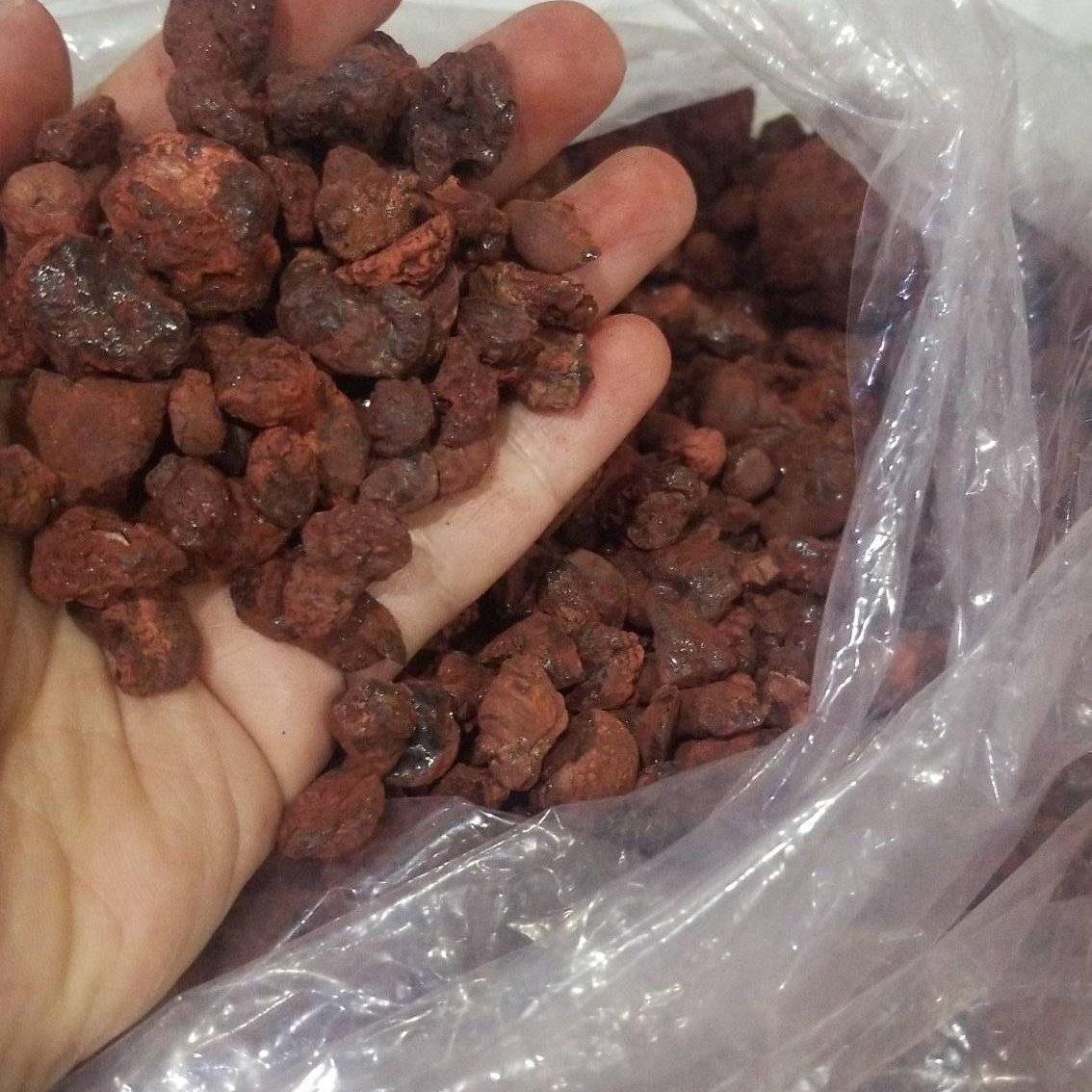
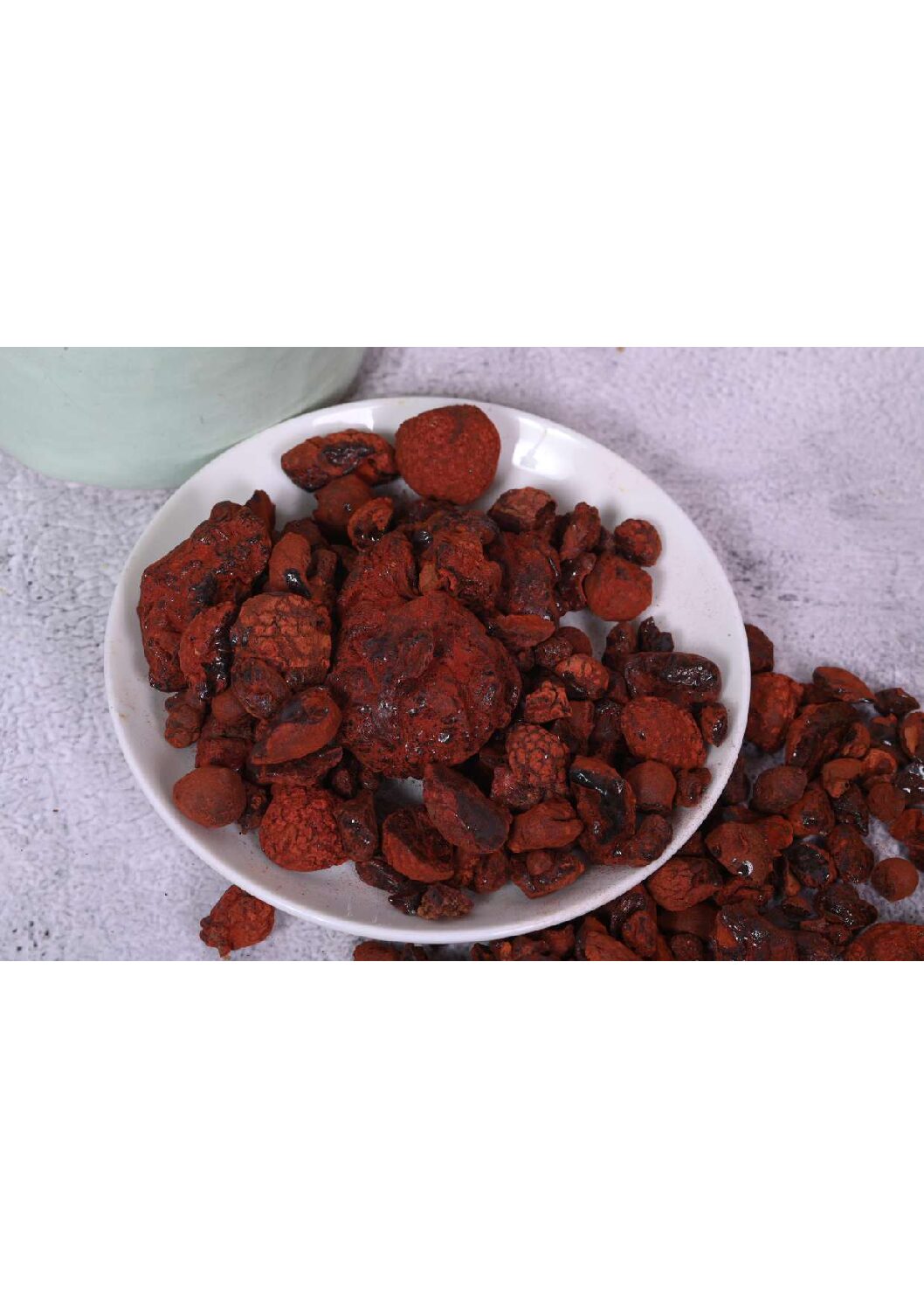
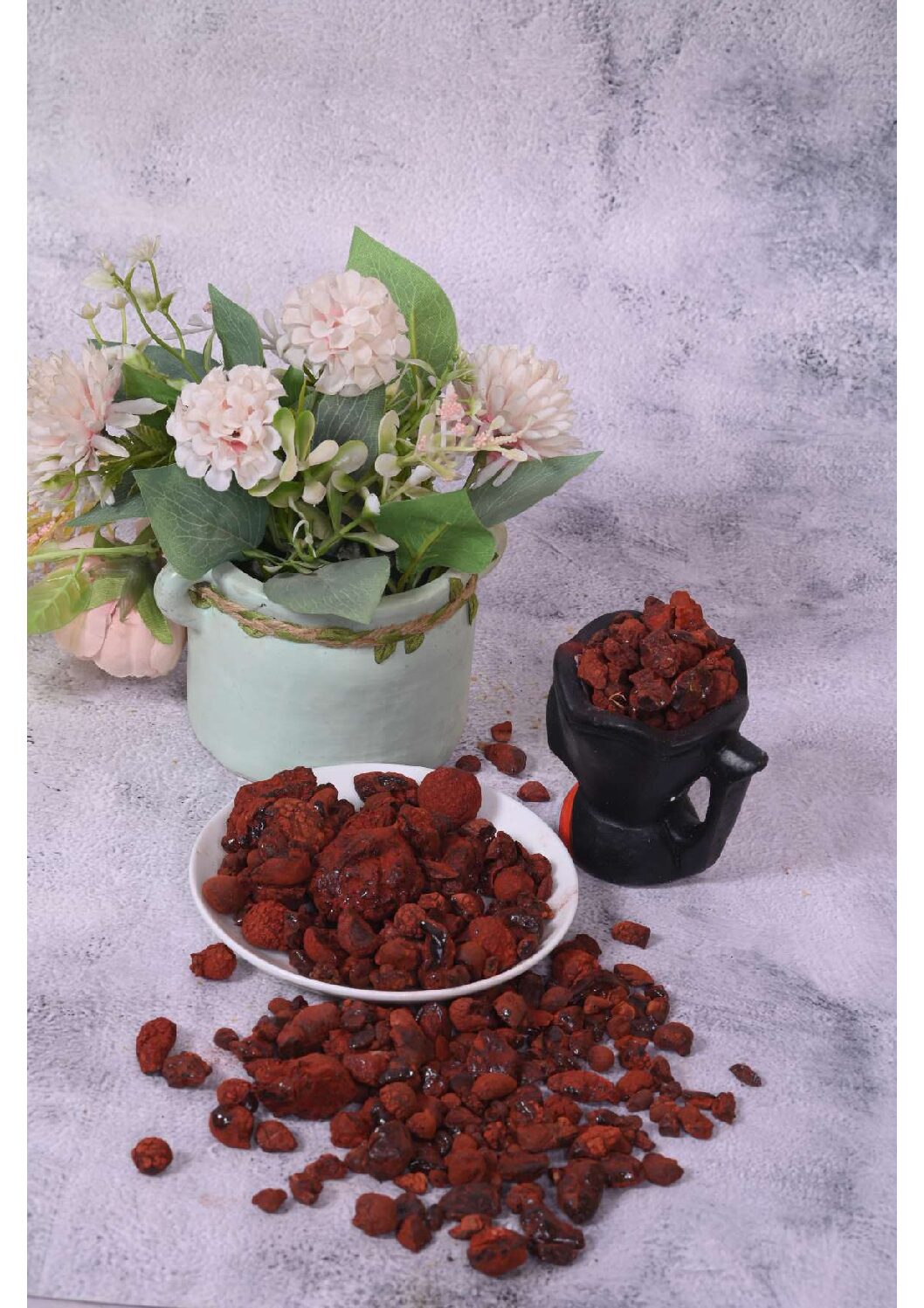
Known as Dragon’s Blood, the resin of Dracaena Cinnabari is one of Socotra’s most legendary natural wonders. Flowing from the island’s iconic Dragon Blood Trees, this deep crimson resin has been prized since ancient times for its healing, protective, and ceremonial uses. Its rich red color symbolizes life and strength, while its earthy, slightly sweet aroma evokes the mystery of ancient traditions. Revered as a sacred gift, it embodies the powerful spirit and timeless beauty of Socotra’s heritage.
Description
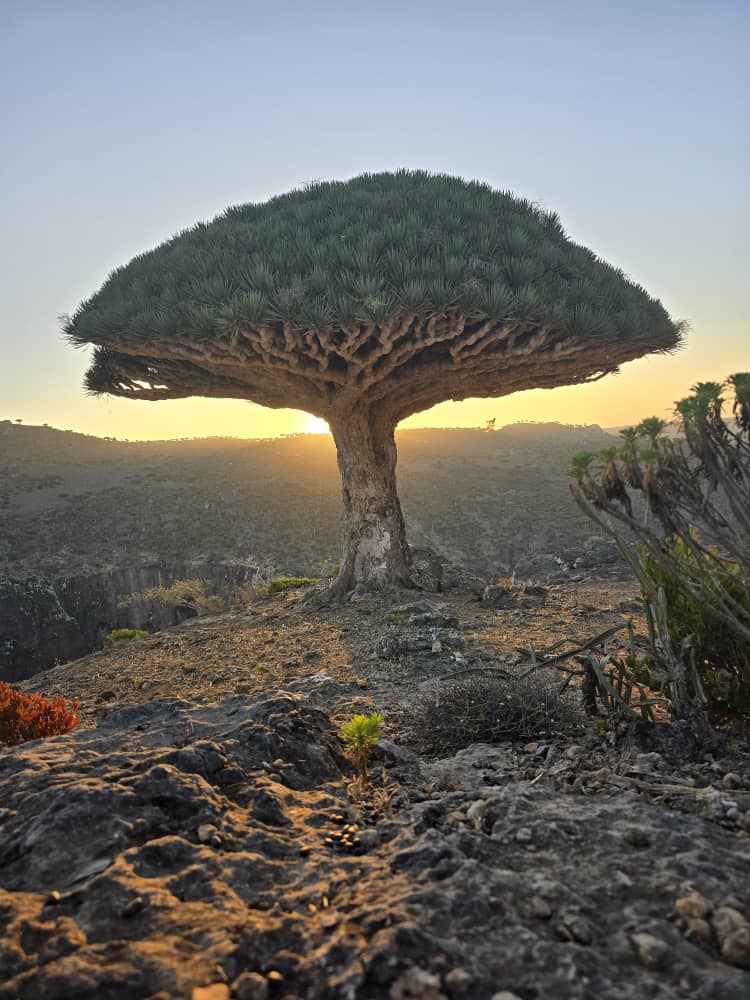
Dracaena cinnabari (Dragon’s Blood Tree) – The Icon of Socotra
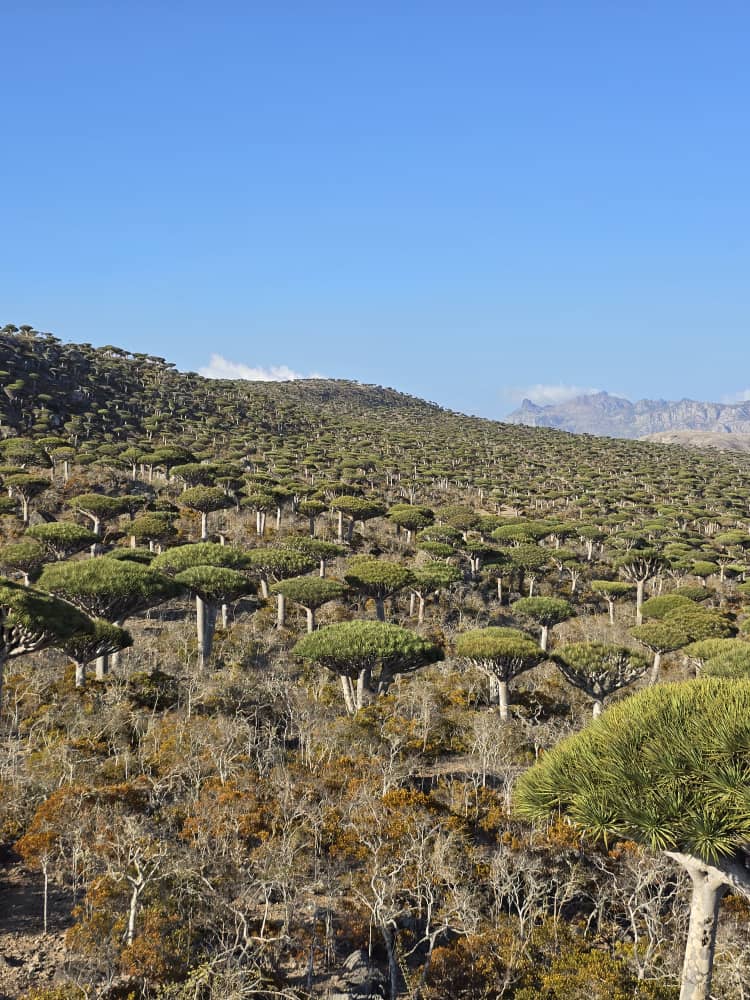
Dracaena cinnabari, commonly known as the Dragon’s Blood Tree, is one of the most remarkable and symbolic trees of Socotra Island, Yemen. Belonging to the Asparagaceae family, this ancient species is famous for its striking umbrella-shaped crown and the deep red resin it produces — known as Dragon’s Blood. This unique tree grows primarily in the highlands and plateaus of Socotra, thriving in arid, rocky environments with limited soil. Its distinctive umbrella form reduces water loss and provides shade for its seedlings, demonstrating a remarkable adaptation to the island’s dry climate.
**The True Dragon’s Blood: Authenticity and Distinction**
The red resin of Dracaena cinnabari, harvested from Socotra, has been treasured since antiquity. However, the name “Dragon’s Blood” is also used for resins from other species worldwide. Resins from various plants in South America and Indonesia, for example, are commercially traded under the same name. It is crucial to note that these resins are derived from different botanical sources and do not possess the same historical, chemical, or qualitative specifications as the true resin from Socotra’s Dracaena cinnabari. The market also sees counterfeit products that do not originate from Socotra and lack its unique properties. For those seeking the authentic resin known for its distinct characteristics, verifying its origin as Socotran Dracaena cinnabari is essential.
**Characteristics of the Resin**
The harvesting process is often misunderstood. Unlike some trees with free-flowing sap, injuring the bark of the Dragon’s Blood Tree does not cause an immediate flow. Instead, the red resin gradually exudes and accumulates, eventually forming a solidified mass. Furthermore, the resin exhibits color variation: a dark red hue comes from the trunk and roots, while a lighter red resin is harvested from the upper branches.
**A Living Legacy**
Due to overharvesting, habitat loss, and climate change, Dracaena cinnabari is now classified as “Vulnerable” on the IUCN Red List, making its protection a priority for conservation efforts. One of its most spectacular groves is found in the Deksum area, a testament to the island’s unique ecology.
With its dramatic form and ancient lineage, the Dragon’s Blood Tree stands as a living symbol of Socotra’s extraordinary biodiversity, resilience, and natural beauty — a true botanical treasure of the Arabian Peninsula.
Common Uses:
1. Home Incense
Burning frankincense on charcoal fills the air with a sacred, calming aroma — used for purifying spaces, welcoming guests, and bringing peace to homes.
2. Spiritual & Ritual Use
Used for centuries in prayers, meditation, and religious ceremonies to promote focus, inner calm, and a sense of connection with the divine.
3. Natural Perfume
When burned or infused in oil, it releases a deep, natural fragrance — valued for its long-lasting scent and ability to refresh body and spirit.
4. Sacred Gift & Symbol
Frankincense is seen as a symbol of purity, peace, and prosperity — traditionally offered in celebrations, weddings, and spiritual occasions.
Additional information
| Weight | 100g, 200g, 500g, 1kg |
|---|
1 review for Dragon’s Blood
Related products
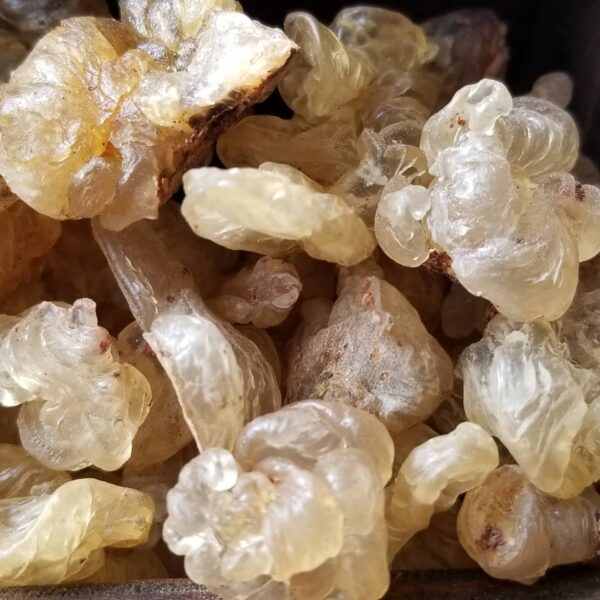
Sterculia socotrana Premium Natural Resin / Gum from Socotra
Price range: 0 $ through 35 $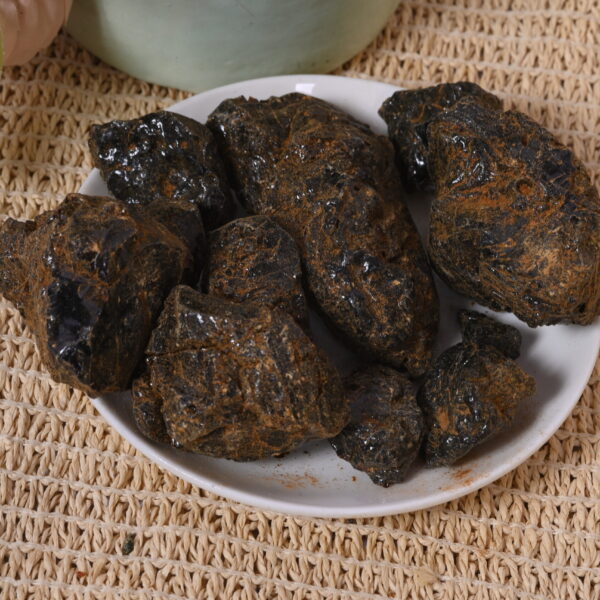
Giovanni –
What a botanical wonder! This dragon’s blood is truly amazing! Leathery, spicy earthiness, and a deep , magical floral aroma. Each piece is of the highest quality. When fragmented, it has glassy/obsidian-like features with deep red wine hues and when pulverized, a powerful red is revealed. I do recommend using very small amounts of this beauty and to let the smoke settle in the air.